Location :
Orlando, FL, USA
Location :
Orlando, FL, USA +1 (407) 714-1616
 info@biz4group.com

















Imagine a digital system that doesn’t wait for instructions but instead, understands your business goals, learns from real-time feedback, and takes independent actions to get the job done.
Read More

The Software as a Service (SaaS) model has changed how software products are built and delivered. Instead of installing software on a device, users can access SaaS tools online through a subscription. This approach allows businesses to generate recurring revenue while customers benefit from regular updates, easy access, and lower upfront costs.
Because of these advantages, many entrepreneurs are exploring profitable SaaS app business ideas that solve real problems for businesses and individuals. From productivity tools to automation platforms, SaaS products are now used across almost every industry.
Today, founders are experimenting with different SaaS startup ideas, especially in areas like artificial intelligence, workflow automation, and niche industry platforms. Many entrepreneurs are also researching how to build an AI SaaS product that can automate complex tasks and provide smarter software solutions for businesses.
In this guide, we will explore 40+ SaaS business ideas across several categories, including AI SaaS platforms, vertical SaaS tools, micro SaaS products, and enterprise software solutions. You will also learn how to evaluate a SaaS idea and understand the key factors that make SaaS products successful.
If you plan to turn one of these ideas into a real product, working with an experienced AI development company can help you design scalable architecture, integrate advanced technologies, and launch a reliable SaaS platform.
One of the biggest reasons entrepreneurs explore profitable SaaS app business ideas is the recurring revenue model. Instead of relying on one-time purchases, SaaS platforms generate income through monthly or annual subscriptions.
This model offers several advantages:
Many successful SaaS business ideas begin by solving a simple problem and turning it into a subscription-based platform that customers rely on daily.
Artificial intelligence is rapidly transforming the SaaS ecosystem. Many new SaaS startup ideas focus on automation, smarter analytics, and intelligent decision-making.
Modern SaaS products increasingly use technologies such as generative AI to:
As a result, founders are exploring AI SaaS ideas that combine subscription software with advanced AI capabilities.
Vertical SaaS focuses on building software for specific industries such as healthcare, legal services, logistics, or construction. Instead of creating broad tools, founders develop specialized platforms tailored to industry workflows.
These niche SaaS ideas often succeed because they:
This makes vertical SaaS one of the most promising SaaS ideas for startups entering competitive markets.
Before building a full product, founders should confirm that there is real demand for their solution. Understanding how to validate a SaaS idea helps startups avoid investing in products that users may not need.
Common validation methods include:
Many founders also partner with a custom software development company to build an MVP quickly and test their concept with early adopters.

Before exploring different profitable SaaS app business ideas, it is important to understand what makes a SaaS concept profitable. Not every software idea becomes a successful SaaS product. A profitable SaaS idea typically solves a recurring problem, targets a clear audience, and generates consistent subscription revenue over time.
Successful SaaS platforms focus on problems that businesses or individuals face regularly. When software becomes part of a user’s daily workflow, it increases retention and long-term revenue potential.
Most profitable SaaS opportunities share a few common characteristics:
Many modern platforms also integrate AI into an app to automate workflows, analyze data, and improve productivity for users.
The SaaS (Software as a Service) model allows users to access software through the internet instead of installing it on their devices. Customers typically pay a monthly or annual subscription to use the application, while the provider manages hosting, updates, and maintenance. Key characteristics of SaaS platforms include:
Because the software is delivered online, companies can continuously improve their products while maintaining long-term relationships with customers. This flexibility is one reason many founders explore new SaaS startup ideas when building digital products.
The SaaS model has become one of the most attractive opportunities for technology entrepreneurs. Founders often pursue SaaS business ideas because the model allows them to scale quickly and reach customers around the world.
Several advantages make SaaS startups appealing:
Because SaaS products can evolve over time, startups often launch a minimum viable product first and gradually expand their features based on user feedback.
Many globally recognized companies started with focused SaaS product ideas that solved a specific problem for users. Over time, these tools expanded their features and customer base, turning simple concepts into widely used platforms.
|
Company |
Core Product |
Main Users |
Why It Became Successful |
|---|---|---|---|
|
Slack |
Team communication and collaboration platform |
Startups, remote teams |
Simplified workplace communication by replacing email threads with organized messaging channels. |
|
Shopify |
Platform for building and managing online stores |
Retail businesses and online brands |
Enabled businesses to launch and scale online stores without advanced technical expertise. |
|
Calendly |
Automated meeting scheduling tool |
Sales teams, consultants, professionals |
Eliminated back-and-forth emails by automating meeting scheduling. |
|
HubSpot |
CRM and marketing automation platform |
Marketing teams and growing businesses |
Combined marketing, sales, and customer management tools into one integrated platform. |
These examples show how strong SaaS business ideas often begin by solving a single workflow problem for a clearly defined audience. When the solution delivers consistent value, the platform can scale into a global SaaS business.
Have profitable SaaS app business ideas but unsure how to start? Build scalable software platforms designed for long-term growth.
Start My SaaS Project
SaaS startups are considered one of the most attractive business models today because they combine recurring revenue with scalable technology. Unlike traditional software companies that rely on one-time purchases, SaaS platforms generate continuous income through subscriptions while serving users through cloud-based systems.
Several factors make SaaS businesses especially profitable for founders exploring SaaS startup ideas.
One of the biggest reasons entrepreneurs pursue profitable SaaS ideas is the subscription-based revenue model. Instead of selling software once, SaaS companies charge users monthly or yearly to access their platform. This recurring structure helps businesses maintain stable income and plan long-term growth.
Some key benefits of subscription revenue include:
Because revenue repeats every billing cycle, SaaS companies can grow steadily even with a relatively small customer base.
SaaS products are built on cloud infrastructure, which allows them to scale efficiently as more users join the platform.
Once the core product is developed, thousands of users can access the software without requiring major changes to infrastructure or distribution. This makes SaaS platforms easier to expand globally compared to traditional software products.
This scalability is one reason many entrepreneurs focus on developing innovative SaaS business ideas that can grow quickly once the product gains traction.
Many modern platforms also incorporate artificial intelligence through AI model development, allowing SaaS tools to automate processes, analyze data, and deliver smarter features to users.
Another reason SaaS businesses are highly profitable is the long-term value generated from each customer. Since users subscribe to the platform over time, the total revenue from a single customer can become significant.
For example:
When hundreds or thousands of customers remain subscribed, the total recurring revenue grows quickly. Many successful SaaS business ideas focus on building products that customers rely on daily, which naturally increases retention and long-term profitability.
The global SaaS industry continues to expand as companies move more operations to cloud-based software. Recent market data from Precedence Research highlights the rapid growth of the industry:

This steady growth highlights the increasing demand for cloud-based platforms across industries. As organizations continue adopting digital tools, opportunities for innovative SaaS product ideas and scalable SaaS startup ideas will continue to expand.
Transform your SaaS startup ideas into a working product with the right technology and development strategy.
Build My SaaS MVP
Identifying a strong SaaS idea requires more than just building software. Founders need to evaluate whether the idea solves a real problem, has enough demand, and can generate recurring revenue. When researching SaaS startup ideas, the goal is to find opportunities where businesses or individuals repeatedly face a challenge that software can solve efficiently.
The following factors can help you evaluate whether a concept has the potential to become a profitable SaaS product.
One of the most important indicators of a strong SaaS opportunity is a recurring workflow problem. These are tasks that users perform repeatedly as part of their daily work.
When a process happens frequently, people are more likely to adopt software that makes it faster or easier. For example, scheduling meetings, managing customer data, and tracking project tasks are common problems that SaaS tools solve.
To identify recurring problems, founders should:
Many modern platforms solve these challenges through automation. Businesses increasingly adopt tools powered by AI automation services to streamline repetitive operations and improve efficiency.
A SaaS product is more likely to succeed if users clearly see how it benefits them. This benefit usually comes in the form of saving time, reducing costs, or increasing revenue.
Before building a product, founders should ask simple questions like:
If users can quickly understand the value of the tool, they are more willing to pay for it. Many successful SaaS business ideas focus on solving expensive or time-consuming problems.
In some cases, startups work with specialists or seek AI consulting services to identify where advanced technologies can create measurable improvements in efficiency or performance.
Most businesses already rely on several digital tools for communication, marketing, analytics, and customer management. A new SaaS platform becomes much more valuable when it connects with the systems users already depend on.
For example, many SaaS products integrate with tools like CRM platforms, project management software, payment gateways, and communication apps.
Strong SaaS product ideas often succeed because they become part of a broader software ecosystem. By enabling integrations, the platform becomes easier for customers to adopt and incorporate into their existing workflows.
Automation is another major factor when evaluating profitable SaaS ideas. Software that automates repetitive tasks can deliver immediate value to businesses.
For example, SaaS tools can automate activities such as:
Many startups are now exploring business app development using AI to automate complex tasks and deliver smarter features to users. Automation not only saves time but also improves accuracy and productivity for teams.
Even if a SaaS product solves a useful problem, it still needs a large enough market to grow. Evaluating the potential audience is an important step when exploring new SaaS ideas for startups.
Founders should consider factors such as:
Researching industry trends, customer segments, and competitor products can help founders estimate the potential demand for their SaaS product.
Before committing to development, founders can use the following simple framework to evaluate whether an idea is worth pursuing.
|
Evaluation Factor |
Key Question to Ask |
What a Strong SaaS Idea Looks Like |
|---|---|---|
|
Recurring Problem |
Does this problem occur regularly for users? |
Users face the issue daily or weekly. |
|
Customer ROI |
Will the software save time or money? |
Businesses can clearly measure productivity gains. |
|
Integration Potential |
Can the tool connect with existing platforms? |
Integrates with commonly used software systems. |
|
Automation Value |
Can software automate repetitive tasks? |
Reduces manual work and improves efficiency. |
|
Market Demand |
Is there a large audience for this solution? |
Many businesses experience the same problem. |
Using this framework helps founders filter out weak concepts and focus on ideas with stronger potential. By analyzing real problems, customer value, and market demand, entrepreneurs can identify scalable SaaS startup ideas that have a higher chance of becoming successful products.
Turn innovative SaaS product ideas into intelligent platforms powered by automation and AI.
Create My AI SaaS AppThe SaaS industry keeps growing as businesses rely more on cloud software to manage daily work, automate tasks, and analyze data. Entrepreneurs searching for profitable SaaS app business ideas often succeed by finding problems that happen regularly and building tools that solve them.
Many founders start by exploring SaaS startup ideas across categories like AI tools, industry-focused platforms, micro SaaS products, and enterprise software.
Below are several categories of SaaS business ideas that entrepreneurs can explore when starting a software company.
Artificial intelligence has created many new AI SaaS ideas, especially tools that help businesses automate work and understand data faster. Startups building AI powered SaaS ideas usually focus on specific tasks where automation can save time.
Legal teams spend a lot of time reviewing vendor contracts and compliance documents. A SaaS platform could scan contracts, highlight important clauses, and summarize key terms.

PDF Consultant AI is a great example of an intelligent SaaS platform built by Biz4Group. The tool allows users to interact with long documents, summarize information, and extract insights using AI. Platforms like this show how AI SaaS product ideas can simplify document management and turn complex information into accessible knowledge.
Meetings often produce useful discussions, but important details can be forgotten later. A meeting assistant could record meetings, generate summaries, and list action items automatically.
Startups building products like this often focus on AI assistant app design so the assistant fits naturally into everyday work tools.
Recruiters often review hundreds of resumes before finding the right candidates. AI recruitment software could analyze resumes, rank applicants, and highlight strong candidates automatically.

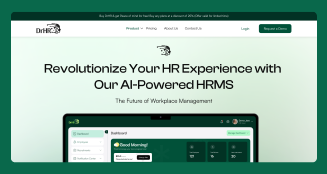
One example of an AI-powered SaaS platform is DrHR, an intelligent HR management system developed by Biz4Group. The platform uses automation and AI-driven insights to simplify employee management, attendance tracking, and HR operations. Solutions like DrHR demonstrate how AI SaaS startup ideas can transform traditional business workflows into scalable cloud platforms.

Biz4Group also developed Stratum 9 Innerview, an AI-driven recruitment platform that helps organizations evaluate candidates through behavioral insights and adaptive interview guidance. The platform combines human expertise with AI analysis to improve hiring decisions. Tools like Innerview highlight how AI SaaS product ideas can modernize recruitment and talent evaluation processes.
Customer support teams often receive the same questions from users. A SaaS platform could answer common questions automatically and send complex issues to human agents.
Many companies building these tools use AI chatbot integration to automate conversations across websites and apps.

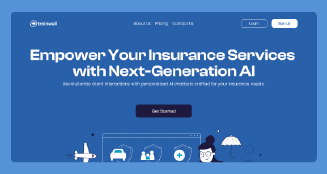
Biz4Group developed Insurance AI, an AI-driven assistant designed to help insurance agents access training resources and support instantly. The platform uses conversational AI to guide users through complex information and improve productivity. Solutions like this demonstrate how AI SaaS ideas for niche industries can automate knowledge sharing and employee training.
Marketing teams collect data from many campaigns but often struggle to understand it. A SaaS platform powered by AI could analyze campaign performance and suggest improvements.
Some startups work with an AI product development company to build predictive analytics features.
Keeping documentation updated can take a lot of time. A SaaS platform could turn support tickets and internal documents into structured help articles automatically.
|
Profitable Saas App Idea |
Typical Users |
Revenue Model |
|---|---|---|
|
AI Contract Analysis Platform |
Legal teams |
Per-user subscription |
|
AI Meeting Assistant |
Remote teams |
Per-user subscription |
|
AI Recruitment Automation Software |
HR teams |
Subscription per recruiter |
|
AI Customer Support Automation Platform |
Support teams |
Conversation-based pricing |
|
AI Marketing Analytics SaaS |
Marketing teams |
Subscription per data source |
|
AI Knowledge Base Generator |
Product teams |
Document-based subscription |
Explore new SaaS startup opportunities and build platforms designed to grow with your users.
Start Building My SaaS AppSome of the best SaaS product ideas focus on specific industries instead of general users. These vertical SaaS ideas work well because they solve problems unique to a certain industry.
Dental clinics manage appointments, patient records, insurance claims, and billing. A SaaS platform could help clinics organize these tasks in one system.
Law firms manage large numbers of case files and legal documents. A SaaS platform designed for legal work could help organize cases and track deadlines.
Property managers handle rent payments, tenant communication, and maintenance requests. A SaaS platform could help manage these tasks from one dashboard.
Construction projects involve contractors, budgets, and changing schedules. A SaaS platform could help teams track progress and manage project communication.
Logistics companies depend on delivery tracking and route planning. A SaaS platform could help manage shipments and improve delivery efficiency.
Healthcare clinics need systems to manage patient appointments, billing, and medical records. A SaaS platform could help organize these tasks while meeting compliance requirements.
|
Profitable Saas App Idea |
Typical Users |
Revenue Model |
|---|---|---|
|
SaaS for Dental Clinics |
Dental clinics |
Subscription per clinic |
|
SaaS for Law Firms |
Law firms |
Per-lawyer subscription |
|
SaaS for Property Management Companies |
Property managers |
Subscription per property |
|
SaaS for Construction Project Management |
Construction companies |
Per-company subscription |
|
SaaS for Logistics Companies |
Logistics providers |
Shipment-based pricing |
|
SaaS for Healthcare Practices |
Healthcare clinics |
Subscription per clinic |
Portfolio Spotlight:

Classroom Sync, is an AI-powered SaaS platform built to support modern digital classrooms. The system helps educators manage learning activities, track student engagement, and improve collaboration through intelligent tools. Platforms like Classroom Sync show how vertical SaaS ideas in education can evolve into scalable cloud products for schools and learning institutions.
Micro SaaS tools are small applications designed to solve one problem well. Many founders experiment with micro SaaS ideas because they are easier to build and test.
Freelancers often deal with late payments. A tool that sends automatic reminders and tracks unpaid invoices could help freelancers manage payments more easily.
Businesses often run campaigns across several social platforms. A dashboard that combines analytics from different platforms could make it easier to track performance.
Content creators often track audience data across multiple platforms. A SaaS tool could combine these analytics into one dashboard.
Freelancers often need contracts for new projects. A SaaS platform could generate contracts automatically based on project details.
Podcast creators often lack detailed audience insights. A SaaS platform could provide analytics on downloads, listeners, and engagement.
Businesses with subscription models need tools to track recurring revenue and churn. A SaaS platform could help monitor these financial metrics.
|
Profitable SaaS App Idea |
Typical Users |
Revenue Model |
|---|---|---|
|
Automated Invoice Reminder Tool |
Freelancers |
Low-cost subscription |
|
Social Media Analytics Dashboard |
Marketing teams |
Subscription per account |
|
Creator Analytics SaaS |
Content creators |
Tiered subscription |
|
Freelance Contract Generator |
Freelancers |
Subscription or pay-per-contract |
|
Podcast Analytics Platform |
Podcast creators |
Subscription per podcast |
|
Subscription Revenue Tracker |
SaaS startups |
Tiered subscription |
Portfolio Spotlight

Biz4Group built Quick Start Bets, a sports analytics platform designed to help fans analyze statistics, track betting activity, and access real-time insights. By combining data analysis with a SaaS delivery model, platforms like this illustrate how innovative SaaS ideas can emerge in niche markets such as sports analytics and betting intelligence.
Enterprise software supports large organizations with complex workflows. These scalable SaaS business ideas usually focus on analytics, compliance monitoring, or internal collaboration.
Companies now track environmental and sustainability metrics. A SaaS platform could help organizations collect ESG data and generate reports.
Companies want insights into employee productivity and collaboration. Workforce analytics tools could analyze employee performance and engagement trends.
Companies in regulated industries must follow changing regulations. A SaaS platform could monitor these rules and notify businesses about compliance risks.
Large companies store large amounts of internal documentation. Knowledge management tools could help employees find information quickly.
Many companies now work with remote teams. A SaaS platform could help track projects, manage workloads, and support collaboration.
Enterprises often use many systems that store data separately. A SaaS platform could connect these systems and provide unified analytics.
Some companies build these platforms with support from a software development company in Florida to create scalable enterprise systems.
Typical users: enterprise IT teams, data engineering teams
Revenue model: enterprise subscription or usage-based pricing
|
Profitable SaaS App Idea |
Typical Users |
Revenue Model |
|---|---|---|
|
ESG Reporting Software |
Sustainability teams |
Enterprise subscription |
|
Workforce Analytics Platform |
HR teams |
Per-employee pricing |
|
Compliance Monitoring SaaS |
Compliance teams |
Enterprise subscription |
|
Knowledge Management SaaS |
Enterprise teams |
Per-user subscription |
|
Remote Workforce Management Platform |
Remote companies |
Per-user subscription |
|
Enterprise Data Integration SaaS |
IT teams |
Usage-based pricing |
The ideas above show several categories of profitable SaaS startup ideas, including AI tools, industry platforms, micro SaaS products, and enterprise software. However, the SaaS market keeps changing. New opportunities appear in niche industries and emerging technologies.
In the next section, we explore additional SaaS ideas with low competition, bringing the total number of ideas in this guide to 40+ SaaS startup opportunities.
Many founders look for SaaS ideas with low competition where new startups can enter the market more easily. These ideas often focus on niche industries or new technology trends.
Businesses in regulated industries must track changing compliance rules. An AI platform could monitor regulatory updates and notify companies about risks.
Some startups build these platforms using enterprise AI solutions to analyze large volumes of regulatory data.
Content creators often work with brands through sponsorship deals. A SaaS platform could help creators manage contracts, campaign timelines, and payments.
Podcast creators often need better audience insights. A SaaS analytics tool could track listener behavior and engagement patterns.
Marketing and consulting agencies regularly create proposals for potential clients. A SaaS platform could generate proposals automatically using past project data.
Hiring employees across different countries involves complex labor laws. A SaaS platform could help businesses manage remote hiring compliance.
Freelancers often struggle with tax calculations and financial reporting. A SaaS platform could automatically calculate taxes and generate reports.
Many organizations must report sustainability and environmental data. A SaaS platform could help collect climate metrics and generate reports.
Product teams regularly test user experiences across websites and apps. An AI platform could simulate user behavior and detect usability problems. Startups building these systems often rely on AI integration services to connect testing tools with development workflows.
|
Profitable SaaS App Idea |
Typical Users |
Revenue Model |
|---|---|---|
|
AI Compliance Monitoring Platform |
Compliance teams |
Enterprise subscription |
|
Creator Brand Deal Management SaaS |
Influencers |
Subscription or commission |
|
Podcast Analytics SaaS |
Podcast networks |
Subscription per podcast |
|
AI Proposal Generator for Agencies |
Agencies |
Per-user subscription |
|
Remote Hiring Compliance SaaS |
Global startups |
Per-employee pricing |
|
Freelancer Tax Automation SaaS |
Freelancers |
Subscription |
|
Climate Reporting SaaS |
Sustainability teams |
Enterprise subscription |
|
AI UX Testing Automation Platform |
Product teams |
Usage-based pricing |
These examples highlight how diverse SaaS startup ideas can be, from AI-driven platforms to industry-focused software and small niche tools. The best profitable SaaS ideas usually start with a clear problem and grow by solving it better than existing solutions. In the next section, we’ll explore how to validate a SaaS startup idea before development.

Many founders come up with interesting SaaS startup ideas, but building the product without validation can be risky. Before investing time and money in development, it is important to confirm that the problem actually exists and that people are willing to use or pay for a solution.
Validation helps you refine SaaS product ideas, understand user needs, and avoid spending months building software that nobody adopts. The steps below explain simple ways entrepreneurs test their SaaS business ideas before starting development.
Market research helps you understand whether your idea fits into an existing market and whether there is space for a new product.
Start by looking at tools that already solve a similar problem. Instead of focusing only on how many competitors exist, look at what those tools do well and where users complain.
Some things to analyze during research include:
Example: Imagine you are exploring a SaaS startup idea for an AI meeting assistant. During research you might find tools like Otter or Fireflies. When you read user reviews, you may notice complaints about weak summaries or missing integrations. That feedback can help you shape a better product.
Market research like this often helps founders improve existing SaaS product ideas instead of trying to invent something completely new.
Before writing any code, many founders test demand with a simple landing page. The page explains the idea, describes the problem, and invites visitors to sign up for early access.
This method helps you measure interest without building the full product. A basic validation landing page usually includes:
Example: Suppose you are testing an idea for a creator analytics SaaS platform. Your landing page could show a sample dashboard that combines YouTube, newsletter, and podcast analytics.
If many creators sign up for early access, it suggests the idea may have real demand. Some founders also share the landing page in online communities or run small ad campaigns to see how people respond.
Speaking directly with potential users can reveal insights that research alone cannot show. Instead of pitching your product right away, try to understand how people currently solve the problem. You can ask questions like:
These conversations often help refine SaaS ideas for startups and highlight the features that users truly need.
Example: If you plan to build software for property managers, speaking with five managers might reveal that tenant communication and maintenance requests are bigger problems than rent collection.
This type of feedback helps shape stronger SaaS product ideas. For founders exploring automation features, early discussions sometimes lead to ideas that involve intelligent workflows. At that stage, startups may explore whether AI integration services could support those features.
Once early validation looks promising, the next step is building a minimum viable product. An MVP includes only the core feature needed to solve the main problem. The goal is not to build a perfect product. The goal is to test whether users find the solution useful.
An MVP usually focuses on:
Example: If your idea is a subscription analytics tool, the MVP might only track revenue and churn for Stripe subscriptions. More advanced features like forecasting or detailed dashboards can be added later.
Launching early helps founders learn what users actually want before investing heavily in development. Startups building more technical platforms sometimes hire AI developers during the MVP stage when their SaaS product ideas involve machine learning or automation features.
The table below summarizes the main steps founders follow to validate SaaS startup ideas before building a full product.
|
Validation Step |
What You Do |
Why It Matters |
|---|---|---|
|
Conduct Market Research |
Study competitors, read user reviews, and understand the market |
Helps confirm whether the problem already exists and how current tools solve it |
|
Build a Landing Page |
Create a simple page explaining the idea and collect email signups |
Measures early interest without building the full product |
|
Interview Potential Customers |
Talk to people who might use the product and understand their challenges |
Reveals real user problems and helps refine SaaS product ideas |
|
Launch a Minimum Viable Product (MVP) |
Build a basic version of the product with only core features |
Allows founders to test demand and collect feedback before full development |
Validating your idea early (and right) helps reduce risk and ensures you build something people actually need. By researching the market, testing demand, talking to users, and launching an MVP, founders can turn promising SaaS startup ideas into viable products.
Not sure which SaaS ideas for startups will work? Test demand, build an MVP, and launch faster with the right development partner.
Validate My SaaS IdeaThe cost of building a SaaS product can vary a lot depending on the features, technology, and scale of the platform. Startups exploring SaaS startup ideas usually try to estimate the cost early so they can plan budgets and decide whether the product is worth building.
In most cases, the cost to build a SaaS application ranges from $25,000 to $400,000+. Simple tools with limited features may stay near the lower end of the range. More advanced platforms with integrations, automation, and large user bases can cost much more.

Several factors influence how much it costs to build a SaaS platform. Even two products based on similar SaaS product ideas can have very different budgets depending on their complexity. Some of the main factors include:
A simple tool with one main feature will cost less to build than a platform with dashboards, analytics, and automation.
The programming frameworks, cloud hosting, and databases used in the product can affect both development and operating costs.
Many SaaS business ideas require integrations with tools like payment gateways, CRM systems, or analytics platforms.
Products that include intelligent workflows or conversational features may require systems similar to an AI conversation app, which can increase development effort.
Because of these factors, development costs can vary widely between different SaaS platforms.
Most startups begin by building a minimum viable product, or MVP. An MVP is a basic version of the product that includes only the core feature needed to solve the main problem.
The goal is to test SaaS product ideas quickly before investing in a full platform. An MVP usually includes:
For many startups, the AI SaaS product development cost for an MVP usually falls between $25,000 and $80,000, depending on the product complexity and development team. This approach helps founders validate SaaS startup ideas before spending a larger budget.
Once the product gains users, startups often invest more money to improve and expand the platform. Scaling usually involves better infrastructure, additional features, and stronger security. Some common scaling investments include:
As the platform grows, the total development cost can move closer to $200,000 to $400,000 or more, especially for large SaaS products with complex features.
Some companies building advanced platforms also work with teams that provide enterprise AI solutions when they want to add intelligent automation or data-driven features.
Turning an idea into a successful SaaS product requires the right strategy, technology, and development support. As an experienced AI app development company, Biz4Group LLC helps startups and businesses build scalable SaaS platforms from concept to launch.
The team has worked on several AI-powered SaaS solutions across different industries. For example, DrHR simplifies HR management with intelligent automation, while Stratum 9 Innerview helps companies improve hiring decisions using AI insights. In the education sector, Classroom Sync shows how SaaS platforms can support modern digital learning environments.
Biz4Group has also built SaaS platforms like Insurance AI for training and support, PDF Consultant AI for interacting with complex documents, and Quick Start Bets for sports analytics. These projects show how different SaaS product ideas can evolve into practical, scalable software platforms.
Biz4Group LLC supports SaaS startups at every stage, including:
By combining product strategy, AI expertise, and software engineering, Biz4Group helps founders turn promising SaaS ideas into reliable platforms that can grow with their users.
Ready to turn profitable SaaS ideas into real products? Start building software that solves real problems and scales globally.
Launch My SaaS ProductThe SaaS ecosystem is full of opportunities for founders who are ready to solve real problems with smart software. From AI-powered tools to niche industry platforms, the possibilities for building scalable products continue to grow.
The key is simple: identify a real problem, validate the idea, and build a product that delivers clear value. Whether it is a micro tool, a vertical platform, or an AI-driven solution, many of today’s successful startups began as simple SaaS startup ideas.
And if you’re planning to build AI software or launch a new SaaS product, the right development strategy can make a big difference. With the right technology and team, even a small idea can evolve into a powerful SaaS platform.
The next successful SaaS product could start with the idea you’re exploring today.
Have a SaaS idea in mind? Let’s discuss how we can turn it into a scalable product.
Most SaaS startups generate revenue through recurring subscription models. Customers typically pay monthly or yearly to access the software. Some platforms also use usage-based pricing, premium features, or tiered plans. These monetization models make SaaS business ideas attractive because they create predictable recurring revenue as the user base grows.
Many industries still offer strong opportunities for new SaaS product ideas. Some of the fastest-growing areas include healthcare, education, finance, logistics, and creator economy tools. Founders often succeed by focusing on vertical SaaS ideas that solve specific problems within a particular industry rather than building broad, general-purpose software.
A SaaS idea usually shows strong potential when the problem occurs frequently, affects a large group of users, and existing solutions are inefficient or outdated. If businesses already spend money solving the problem, it can indicate strong demand for new profitable SaaS ideas or SaaS startup opportunities in that space.
The timeline depends on the complexity of the platform and the development approach. Many startups launch an MVP within three to six months, while more advanced platforms may take longer. Founders often start small, validate their SaaS startup ideas, and gradually expand the product based on user feedback.
The cost to build a SaaS application can vary widely depending on features, technology, and scalability requirements. For many startups, development costs typically range between $25,000 and $400,000 or more. Simpler tools may stay near the lower end, while complex platforms with automation, integrations, and AI features require larger investments.
Launching a SaaS startup often involves challenges such as finding product-market fit, acquiring early users, and scaling the platform efficiently. Many founders also struggle with prioritizing features and managing development costs. Successful startups usually focus on solving one clear problem before expanding their SaaS ideas for startups into larger platforms.

with Biz4Group today!
Our website require some cookies to function properly. Read our privacy policy to know more.