Location :
Orlando, FL, USA
Location :
Orlando, FL, USA +1 (407) 714-1616
 info@biz4group.com


















Imagine a digital system that doesn’t wait for instructions but instead, understands your business goals, learns from real-time feedback, and takes independent actions to get the job done.
Read More
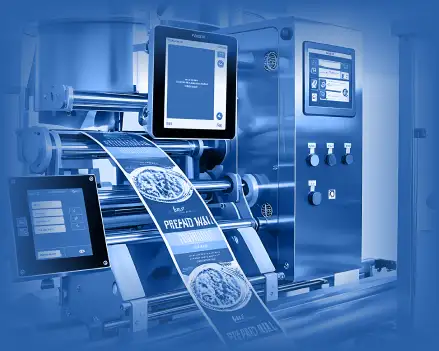
Are you prepared to Integrate AI Into Printing Workflow and transform your production floor into a smarter, faster, and more profitable operation?
That question is no longer hypothetical. Today’s printing leaders are evaluating how to use artificial intelligence to compete more effectively and succeed in a rapidly evolving marketplace.
Across the global print industry, AI integration in printing workflow has shifted from a technical curiosity to a strategic business initiative. Printing business owners, commercial printing executives, and production managers face mounting pressures to reduce waste, cut turnaround times, enhance print quality, and manage rising labor and material costs. Integrating AI in commercial printing operations provides a clear path to tackle these challenges with data-driven intelligence and automated decision-making.
In fact, according to a recent 2026 industry trend report, 85 percent of print service providers now believe AI is critical to competitiveness and are already piloting AI in workflow automation, prepress, and estimating processes. This demonstrates that AI adoption is becoming mainstream for printers seeking productivity gains and operational resilience in 2026 and beyond.
To Integrate AI Into Printing Workflow means embedding intelligent systems across prepress, press, post-press, and scheduling environments to automate decisions, predict disruptions, and optimize performance.
This guide explains how to integrate AI into your printing workflow step by step. You will learn what AI integration really means in a print production context, the architectural layers required to support it, the measurable benefits it delivers, and the exact process to implement it with minimal disruption.
When implemented correctly, AI improves print workflow optimization, increases production efficiency, reduces operational risk, and strengthens your competitive advantage. For leaders who want to future-proof their commercial printing operations, the time to act is now.
To integrate AI into printing workflow means embedding artificial intelligence technologies such as machine learning, automation, and predictive analytics into prepress, press, post-press, and scheduling systems to improve efficiency, reduce waste, and enable data-driven production decisions.
In traditional print environments, workflows rely heavily on manual intervention. Operators check files, adjust color settings, schedule jobs, monitor equipment, and inspect quality. These tasks are time-consuming and prone to human error.
AI integration in printing workflow transforms these manual checkpoints into intelligent, automated processes that continuously analyze production data and optimize performance in real time.
Instead of reacting to machine failures, quality defects, or scheduling delays, AI systems:
AI does not replace your workforce. It enhances human decision-making by processing large volumes of production data faster than manual analysis.
For commercial printing executives, AI integration provides greater operational visibility.
For production managers, it reduces bottlenecks and downtime.
For business owners, it improves profitability, scalability, and competitive positioning.
To successfully implement AI in printing production process environments, you need more than software. You need a structured, layered architecture that supports data flow, automation, analytics, and real-time decision-making.
When printing workflow digital transformation using AI is built on the right foundation, AI powered workflow management for commercial printing becomes scalable, secure, and measurable. Below are the five essential architectural layers required to integrate AI into printing workflow effectively.
The first step to integrate AI into printing workflow is capturing reliable production data.
This layer gathers real-time and historical information from:
Modern presses often generate machine logs, performance metrics, temperature readings, speed data, and error reports. These data points become raw material for AI models.
Without structured and consistent data collection, it is impossible to implement AI in printing production process environments effectively. Data accuracy directly impacts AI output quality.
Raw production data must be cleaned, standardized, and centralized before it can be used.
This layer includes:
Key objectives of this layer:
For AI powered workflow management for commercial printing to function properly, all operational systems must communicate seamlessly. Centralized and structured data improves prediction accuracy and automation efficiency.
This is the intelligence engine of your printing workflow digital transformation using AI.
At this stage, machine learning models and analytics tools analyze production data to generate insights and automate decisions.
Common AI applications in printing production include:
This layer transforms raw data into measurable business outcomes such as lower waste, faster turnaround times, and improved press utilization.
When businesses implement AI in printing production process workflows at this layer, they shift from reactive problem-solving to proactive optimization.
AI insights must connect directly to operational systems to create real impact.
This layer integrates AI outputs with:
For example, if predictive maintenance detects potential equipment failure, the system can automatically adjust job scheduling to avoid disruption. If AI identifies color inconsistency, it can trigger automated correction.
This integration is what turns data analysis into AI powered workflow management for commercial printing. Without seamless workflow integration, AI remains a reporting tool rather than an operational driver.
The final layer ensures that human operators and executives can act on AI insights.
This includes:
Clear visualization supports faster decision-making and higher team adoption.
When properly implemented, this layered architecture allows commercial printers to integrate AI into printing workflow in a structured, scalable way. It supports continuous optimization, improves production transparency, and strengthens long-term competitiveness.
Building AI capability layer by layer ensures that your printing workflow digital transformation using AI is not just a technology upgrade, but a strategic operational evolution.
Discover how AI-powered workflow automation can reduce downtime, cut waste, and increase production efficiency.
Book a Free AI Consultation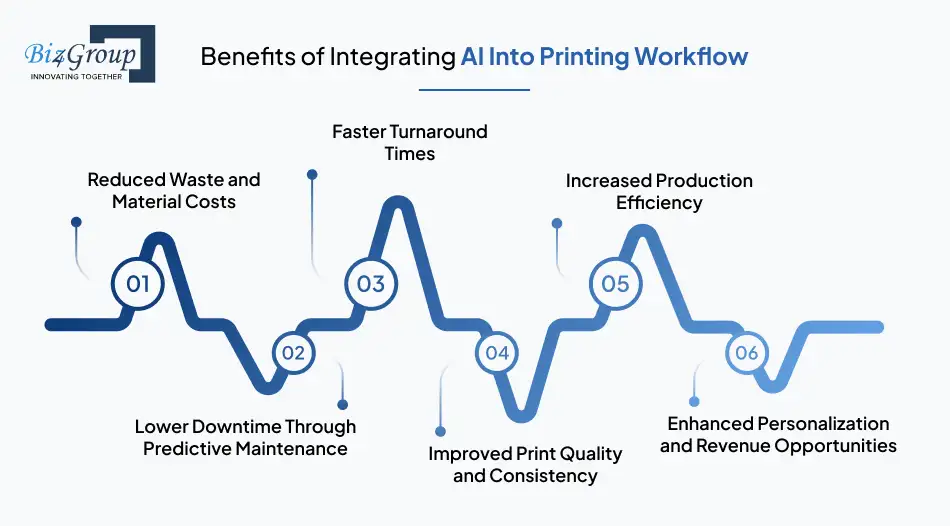
Integrating AI into printing workflow delivers measurable, performance-driven outcomes across commercial print environments. For printing business owners and production leaders evaluating digital transformation, one key question often arises: Is AI integration worth it for printing business?
The answer depends on operational goals, but the benefits of integrating AI in printing operations are both quantifiable and strategic. AI does not simply automate tasks. It builds a smarter, more adaptive production ecosystem powered by real-time data and predictive intelligence.
Below are the core advantages of smart printing workflow solutions using AI.
Waste directly impacts profit margins in commercial printing. Paper, ink, plates, and substrates represent significant operational expenses.
AI-powered quality inspection systems use computer vision to detect:
By identifying defects instantly, production teams can correct issues before large batches are wasted. Many commercial operations report double-digit reductions in reprints and material scrap after implementing AI quality control.
This is one of the most immediate benefits of integrating AI in printing operations.
Unplanned equipment downtime is one of the most expensive disruptions in print production.
AI-driven predictive maintenance analyzes machine data such as:
Instead of reacting to breakdowns, AI alerts teams before failures occur. This allows maintenance to be scheduled during non-peak hours.
The result:
For businesses asking, “Is AI integration worth it for printing business?” downtime reduction alone often justifies the investment.
Speed is a competitive advantage in commercial printing.
AI-powered workflow management systems optimize:
By analyzing historical job data and real-time capacity, AI assigns tasks in the most efficient order. This reduces idle time and eliminates manual scheduling inefficiencies.
Faster production cycles increase customer satisfaction and enable printers to handle higher job volumes without increasing headcount.
Maintaining consistent quality across runs is critical for brand-sensitive clients.
AI enhances print quality through:
These capabilities reduce variability and strengthen quality assurance standards. Over time, consistent output improves client retention and brand trust.
Smart printing workflow solutions using AI create standardized performance that is difficult to achieve manually.
AI reduces manual touchpoints across the production chain.
Examples include:
This streamlined approach allows teams to focus on higher-value tasks rather than repetitive checks. Efficiency gains translate into higher throughput without proportionally increasing labor costs.
How printing businesses adopt AI successfully often depends on identifying these efficiency gaps first.
Variable data printing powered by AI allows printers to create personalized campaigns at scale.
AI systems analyze customer data to optimize:
Personalization increases response rates and opens new revenue streams for commercial printers serving marketing-driven clients.
This strategic capability moves AI from operational improvement to revenue generation.
When evaluating how printing businesses adopt AI successfully, the pattern is clear. Successful adopters focus on measurable ROI, phased implementation, and workflow integration rather than isolated technology upgrades.
The cumulative impact of AI integration includes:
For forward-thinking commercial print operations, integrating AI into printing workflow is not simply a technical improvement. It is a long-term strategy for resilience, growth, and operational excellence.
In the next section, we will explore the step-by-step process required to implement AI effectively and sustainably within your printing production environment.
Understanding how to integrate AI into printing workflow requires a structured, phased approach. Successful AI adoption is not about installing software overnight. It is about aligning technology, data, processes, and people.
Below is a proven AI integration process for printing companies that want measurable ROI and sustainable transformation.
The best way to add AI to printing production process environments begins with visibility.
Start by mapping your complete production journey:
Identify where delays occur, where rework happens, and where manual intervention dominates.
Track core metrics such as:
This assessment reveals inefficiencies and highlights where printing workflow AI implementation will generate the highest impact. Printing businesses adopt AI successfully when they begin with data, not assumptions.
Not every area needs automation at once. The smartest steps to implement AI in commercial printing focus on high-return use cases.
Common high-impact areas include:
Evaluate each opportunity based on:
For example, predictive maintenance can reduce downtime significantly, while AI-based scheduling can shorten turnaround times immediately.
This focused approach ensures early wins and builds internal confidence.
Also Read: What are the Real-World Use Cases of AI in Printing?
Technology selection determines long-term success.
When choosing AI solutions, consider:
Avoid standalone systems that create data silos. The AI integration process for printing companies should prioritize seamless workflow connectivity.
The best way to add AI to printing production process environments is by selecting tools that integrate directly into daily operations rather than requiring parallel systems.
AI performance depends entirely on data quality.
Before scaling AI integration, ensure:
Printing workflow digital transformation using AI succeeds only when data flows freely between systems.
If data is fragmented or inconsistent, AI predictions will lack accuracy. A centralized, structured data foundation enables reliable automation and smarter decision-making.
How printing businesses adopt AI successfully often comes down to implementation strategy.
Rather than full deployment at once, follow a phased model:
Pilot → Measure → Optimize → Scale
Start with one department or one use-case. Define clear KPIs such as downtime reduction or waste improvement. Measure results consistently. Refine the system before expanding across operations.
Equally important is workforce alignment.
Provide training on:
AI should support teams, not intimidate them. When employees understand the benefits and see measurable improvements, adoption accelerates.
Printing workflow AI implementation is most effective when:
By following these steps to implement AI in commercial printing, organizations reduce risk, control costs, and maximize return on investment.
Integrate AI into printing workflow strategically, and it becomes more than automation. It becomes a foundation for long-term operational intelligence, efficiency, and competitive advantage.
Also Read: How Much Does It Cost to Integrate AI in Printing Business?
Get expert guidance on integrating AI into your printing operations with measurable ROI and minimal disruption.
Schedule Your Strategy CallIntegrating AI Into Printing Workflow delivers measurable advantages, but like any operational transformation, it comes with challenges. Printing leaders who anticipate these barriers are better positioned to implement AI in printing production process environments successfully.
Below are the most common challenges to integrate AI in printing workflow and practical strategies to overcome them.
AI technology, infrastructure upgrades, and integration services may require upfront capital. For many printing business owners, the first concern is cost justification.
Why it happens:
Solution: Start with a Pilot Project
Instead of a full-scale rollout, begin with one high-impact use case such as predictive maintenance or AI-based quality inspection.
Define clear KPIs:
A focused pilot demonstrates measurable ROI and builds financial confidence before expanding AI integration in commercial printing operations.
Many commercial print operations rely on disconnected systems. MIS, ERP, prepress software, and press control systems may not communicate effectively.
Why it happens:
Data silos limit printing workflow automation using AI because intelligent systems require centralized, structured data.
Solution: Consolidate and Standardize
A unified data environment strengthens AI accuracy and ensures smoother implementation.
Employees may worry that AI will replace their roles or complicate daily tasks.
Why it happens:
This is one of the most underestimated challenges to integrate AI in printing workflow.
Solution: Communicate and Educate
When teams see that AI reduces repetitive tasks and improves performance, adoption improves significantly.
Commercial printing environments often include diverse equipment brands, legacy software, and customized workflows.
Why it happens:
Poor integration can slow or derail efforts to implement AI in printing production process systems.
Solution: Prioritize Compatibility and Vendor Support
Seamless integration ensures AI becomes embedded within daily operations rather than operating as a disconnected tool.
AI-powered systems require data interpretation, performance monitoring, and technical oversight.
Why it happens:
Without proper knowledge, AI outputs may be underutilized.
Solution: Invest in Upskilling
Workforce enablement ensures long-term success in integrating AI into printing workflow.
Every digital transformation faces obstacles. The difference between stalled projects and successful implementations lies in preparation and strategic planning.
Printing businesses that proactively address these challenges:
Integrate AI in commercial printing operations with a structured approach, and these challenges become stepping stones toward smarter, more efficient production systems.
When you plan to integrate AI into printing workflow, the most critical decision is choosing the right technology partner. AI adoption in commercial printing is not just about installing software. It involves architecture planning, system integration, data engineering, workflow automation, and long-term scalability. This is where Biz4Group LLC brings strategic value as an experienced AI development company.
When printing businesses adopt AI successfully, they work with teams that understand real production challenges such as downtime, waste control, scheduling conflicts, and quality consistency. Biz4Group develops AI solutions for printing business environments that are tailored to:
Instead of offering generic automation tools, they design AI printing software solutions aligned with your existing infrastructure.
Every printing operation runs differently. Equipment types, MIS systems, approval processes, and job volumes vary significantly. Biz4Group builds custom AI printing software solutions that:
This ensures smooth AI integration without disrupting ongoing operations.
When you plan to implement AI in printing production process environments, you need a partner that manages the entire lifecycle.
Biz4Group provides:
This structured AI integration process reduces risk and accelerates measurable results.
AI integration must produce tangible improvements. Biz4Group focuses on delivering:
Their AI solutions for printing business are designed around real KPIs, ensuring that technology investments translate into business growth.
Printing workflow automation using AI is an ongoing evolution. Biz4Group supports businesses beyond initial deployment by helping them:
When you plan to integrate AI into printing workflow, partnering with an experienced AI development company like Biz4Group ensures a strategic, scalable, and results-oriented transformation.
Portfolio Spotlight
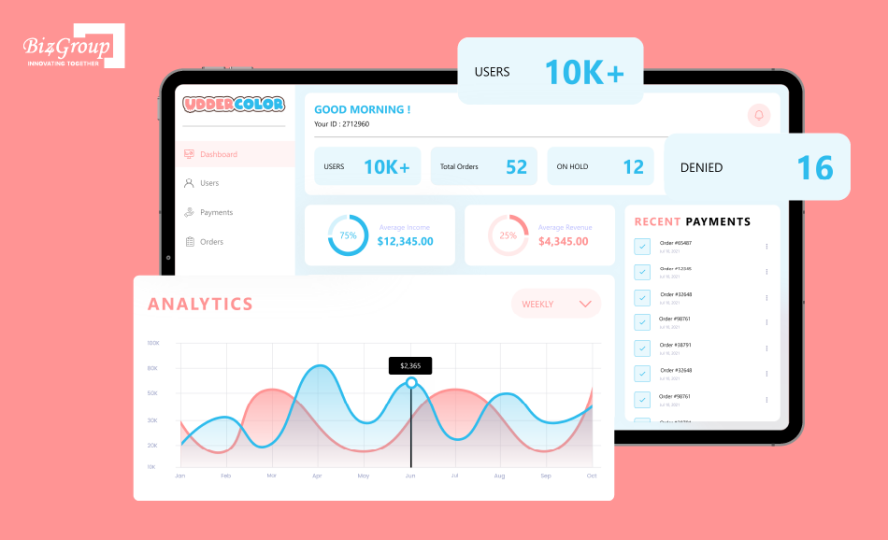
Udder Color is a personalized print-on-demand solution developed by Biz4Group, designed to simplify the way custom heat transfers are ordered and produced. Customers can upload their artwork, configure size and quantity preferences, and place orders for direct fulfillment, all within a guided digital interface.
The platform automates artwork validation, order routing, and production coordination to ensure speed and accuracy at scale. Solutions like this highlight how intelligent workflow automation minimizes operational friction and supports sustainable cost efficiency in AI-enabled printing environments.
If your goal is to modernize commercial printing operations with intelligent automation and advanced analytics, Biz4Group LLC provides the expertise and customized AI printing software solutions needed to achieve sustainable competitive advantage.
Implement intelligent automation, predictive maintenance, and AI-driven scheduling tailored to your workflow.
Talk to Our AI ExpertsIntegrating AI into printing workflow is no longer a future initiative. It is a strategic necessity for commercial printing businesses that want to improve efficiency, reduce operational risk, and increase profitability.
To summarize, successful AI integration in printing workflow requires:
When implemented correctly, AI transforms commercial printing operations by enabling smarter scheduling, reducing downtime, minimizing waste, and delivering consistent print quality. It shifts production from reactive problem-solving to predictive, data-driven optimization.
For printing business owners, commercial printing executives, and production managers, the opportunity is clear. Implement AI in printing production process environments step by step, measure results, and scale strategically.
The competitive advantage belongs to organizations that act early and build intelligent, automated production systems.
If you are ready to integrate AI into printing workflow and want expert guidance tailored to your operations, book an appointment with our team today to assess your workflow and identify the highest-impact AI opportunities for your business.
A commercial printing company can integrate AI into its workflow by auditing current production processes, identifying high-impact automation areas, selecting compatible AI printing software solutions, centralizing production data, and deploying AI in phased rollouts. This structured AI integration process minimizes risk and maximizes ROI.
The best way to implement AI in printing production process environments is to start with a pilot use case such as predictive maintenance or AI-based quality inspection, measure results against clear KPIs, and gradually scale across departments. Phased implementation reduces disruption and improves adoption success.
The key benefits of integrating AI into printing workflow include reduced machine downtime, lower material waste, improved job scheduling, faster turnaround times, enhanced print quality, and scalable personalization. These improvements increase production efficiency and profitability in commercial printing operations.
Common challenges to integrate AI in printing workflow include high upfront investment, data silos, integration complexity, workforce resistance, and skill gaps. These challenges can be addressed through centralized data systems, staff training, and partnering with an experienced AI development company.
Yes. AI solutions for printing business operations are scalable and can be customized for small and mid-sized companies. Even a single AI use case such as smart scheduling or predictive maintenance can deliver measurable efficiency gains without enterprise-level investment.
AI improves workflow automation in commercial printing by analyzing real-time production data, predicting equipment failures, optimizing job scheduling, detecting print defects instantly, and reducing manual intervention. This enables intelligent, data-driven production management.

with Biz4Group today!
Our website require some cookies to function properly. Read our privacy policy to know more.