Location :
Orlando, FL, USA
Location :
Orlando, FL, USA +1 (407) 714-1616
 info@biz4group.com










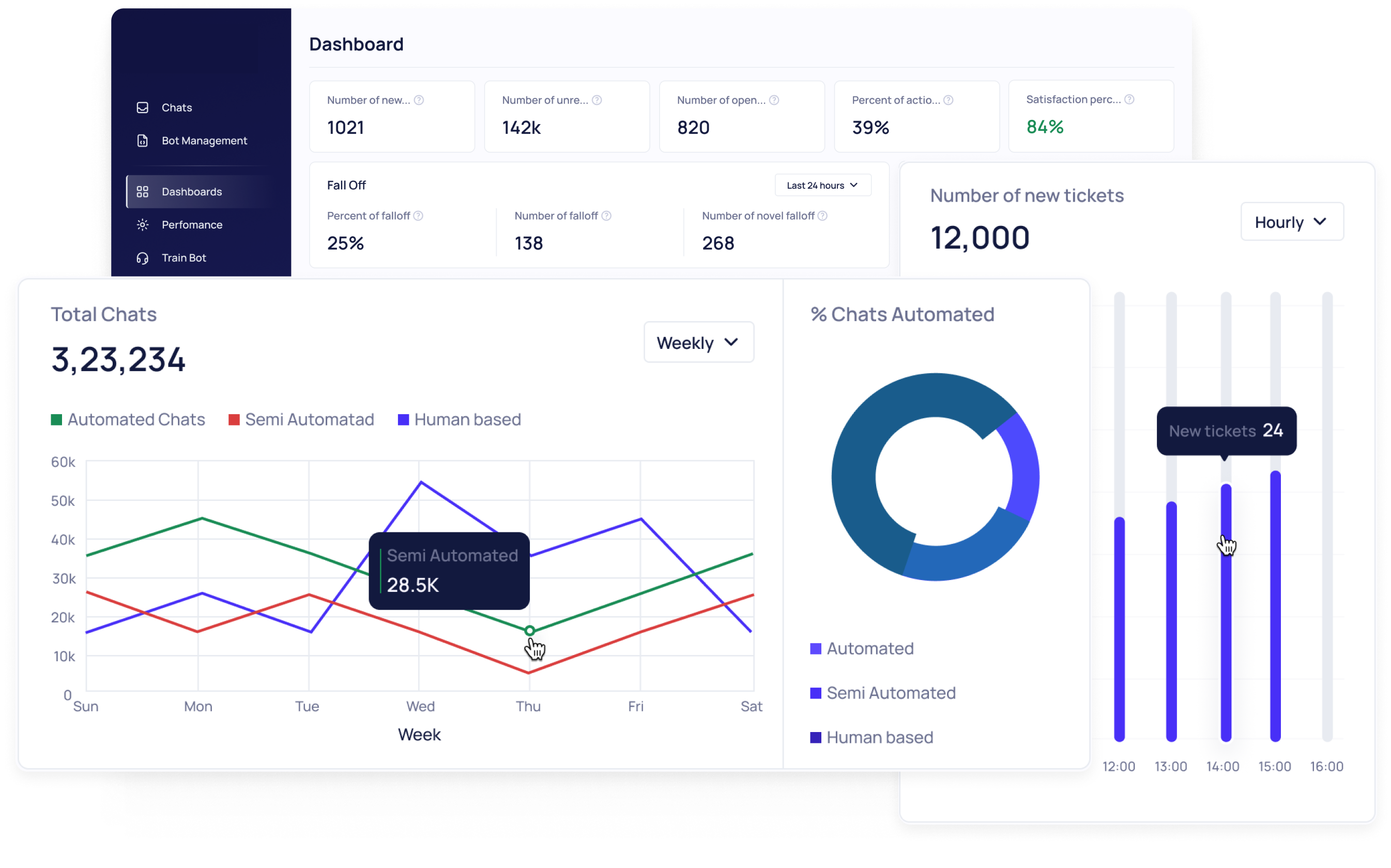







Imagine a digital system that doesn’t wait for instructions but instead, understands your business goals, learns from real-time feedback, and takes independent actions to get the job done.
Read More

How many quote requests reach your 3D printing business when nobody is available to respond?
For many service bureaus, the challenge is not finding demand. The challenge is capturing it before it moves elsewhere. A potential customer uploads a design file after business hours. Another requests pricing over the weekend. By the time someone reviews the request and starts collecting project details, the opportunity may already be moving in another direction.
That pressure is pushing many manufacturing businesses to rethink how quote intake is handled. Instead of relying entirely on front-desk availability, they are turning to AI sales agents that can engage prospects around the clock, collect RFQ information, and keep conversations moving forward even when the office is closed.
The shift is becoming difficult to ignore. Around 75% of professionals agree or strongly agree that AI agents will reshape the workplace more than the internet did. Businesses adopting them are already seeing results, with 66% reporting measurable productivity gains.
The momentum is reflected in the market as well, with the AI agents market projected to grow from $12.06 billion in 2026 to $53.2 billion by 2030.
For 3D printing businesses thinking along these lines:
This blog is for you. In the sections ahead, we will break down AI sales agent development for 3D printing company step by step, starting with what the system actually does behind the scenes.
A 24/7 AI sales agent for a 3D printing company is an AI-powered system designed to handle quote requests, customer inquiries, and lead interactions at any time of the day. Unlike a traditional front desk that depends on business hours and staff availability, the AI sales agent continuously engages prospects, collects project requirements, and guides customers through the initial stages of the quoting process.
For a 3D printing business, it acts as the first point of contact between a potential customer and the company. Whether someone uploads an STL file at midnight, asks about material options on a weekend, or requests a production estimate during a holiday, the AI sales agent can respond immediately and keep the conversation moving.
Also Read: Conversational AI Agent Development: A Complete Guide
Traditional front desks were designed to receive calls, emails, and walk-in inquiries. Modern 3D printing businesses now receive requests through websites, forms, file uploads, emails, and digital channels around the clock. This shift has changed what customers expect from their first interaction with a company.
As customer interactions become more digital and RFQ volumes continue to grow, many 3D printing companies are using AI sales agents as their primary intake layer. The result is a front-door experience that remains available whenever a prospect decides to reach out.
Also Read: Top AI Agent Development Companies in USA
Many 3D printing companies understand the outcome they want faster responses, better RFQ handling, and fewer missed opportunities. Before we get deeper into development, it helps to understand what happens behind the scenes from the moment a prospect reaches out.
For businesses struggling with inconsistent pricing responses and want to implement an AI sales agent for our 3D printing service, the workflow itself explains where the operational value comes from.
Also Read: A Practical Guide to the 6 Types of AI Agents for Business Leaders
Also Read: Develop AI Virtual Assistant: Features & Implementation Tips
Also Read: Artificial Intelligence in CRM: Use Cases & Roadmap
This workflow shows how every stage of quote intake can remain active around the clock. For teams running a 3D printing company and want to build a 24/7 AI sales agent to replace manual quote handling and improve customer response time, understanding these steps makes it easier to visualize how the entire process operates from first contact to sales follow-up.
See how your current quote workflow can turn into a 24/7 revenue channel without increasing sales workload
Audit My Quote ProcessMost 3D printing companies do not lose opportunities because of manufacturing capabilities. They lose them because quote requests move slowly, information arrives incomplete, and customers wait too long for responses. A 24/7 AI sales agent addresses these operational gaps while creating measurable business value.
For businesses losing customers due to slow quotation responses in 3D printing business, here are the key reasons this investment continues to gain attention.
Many businesses focus on generating more leads when the real challenge is converting the inquiries they already receive. Faster engagement helps keep opportunities active while customer interest remains high.
Pricing consistency becomes difficult when multiple employees follow different quoting approaches. A standardized AI agent implementation helps maintain control across every customer interaction.
Estimators create the most value when they focus on evaluating jobs rather than chasing missing details. Better intake quality improves how efficiently they can work.
Administrative activities often consume more resources than business owners with enterprise AI solutions realize. AI automating routine sales interactions reduces the effort required to manage incoming requests.
Also Read: How to Create Enterprise AI Strategy: Step-by-Step Guide
Many customers reach out when they are ready to move forward with a project. Enterprise AI agent’s quick communication helps maintain confidence throughout the quoting process.
Growth often creates pressure on sales and intake teams before additional hiring becomes practical. A scalable workflow helps support higher demand without creating new bottlenecks.
Businesses that build 24/7 AI sales agents for 3D printing business operations gain a foundation that supports future growth without proportional staffing increases.
The investment goes beyond automating conversations. Businesses struggling with manual pricing errors and delays in customer communication can automate sales using AI while improving revenue capture, operational efficiency, customer satisfaction, and long-term business scalability.
The effectiveness of a sales agent depends on the features behind it. Every capability should support a specific part of the quoting journey, from the first customer interaction to final sales follow-up.
When companies plan to develop an AI sales automation system for my 3D printing business to handle pricing, inquiries, and lead conversion, the following features are the ones that matter most.
The first responsibility of a sales agent is to ensure every inquiry receives attention regardless of when it arrives.
|
Feature |
Purpose |
|---|---|
|
24/7 Inquiry Handling |
Responds to customer inquiries during business hours, evenings, weekends, and holidays. |
|
Multi-Channel Communication |
Supports conversations through websites, contact forms, email, and messaging channels. |
|
Automated Lead Qualification |
Identifies customer requirements and determines whether the request fits business capabilities. |
|
Customer Information Capture |
Collects contact details and project information during the first interaction. |
|
Automated Follow-Up Workflows |
Re-engages prospects who leave RFQs incomplete or stop responding. |
Before a quote can be prepared, the AI sales agent must gather complete and accurate project information.
|
Feature |
Purpose |
|---|---|
|
Structured RFQ Intake |
Collects material requirements, quantities, delivery timelines, and application details in a consistent format. |
|
Dynamic Question Flow |
Adjusts questions based on customer responses and project complexity. |
|
Material Selection Assistance |
Helps customers identify suitable materials when specifications are unclear. |
|
Tolerance And Finishing Requirement Capture |
Records manufacturing tolerances and post-processing requirements needed for accurate quoting. manufacturing tolerances and post-processing requirements needed for accurate quoting. |
|
RFQ Completeness Validation |
Ensures all required project details are collected before quote preparation begins. all required project details are collected before quote preparation begins. |
|
Quote Rules Engine |
Applies company-defined pricing and quoting rules consistently across requests. |
|
Preliminary Quote Assessment |
Prepares quote-related information before estimator review. |
File handling is a core requirement because most 3D printing quote requests begin with a design file.
|
Feature |
Purpose |
|---|---|
|
STL, STEP, And OBJ File Upload Support |
Allows customers to submit design files directly during the RFQ process. |
|
File Validation Engine |
Verifies whether uploaded files can be processed successfully. |
|
Geometry Information Extraction |
Retrieves key model information required during quote evaluation. |
|
Unsupported File Detection |
Identifies incompatible or corrupted files and requests replacements. |
|
File-To-RFQ Association |
Connects design files directly with the correct customer request. |
Not every project should move through a fully automated process. Some requests require expert evaluation before quoting.
|
Feature |
Purpose |
|---|---|
|
Estimator Review Queue |
Sends completed RFQs directly to the estimating team for evaluation. |
|
Specialist Escalation Rules |
Routes complex projects to the appropriate internal experts. |
|
Manual Quote Approval Controls |
Allows teams to review and approve quotes before customer delivery. |
|
Project Priority Management |
Identifies urgent requests and routes them accordingly. |
|
Customer Status Updates |
Keeps customers informed throughout the quote review process. |
The sales agent should work as part of the broader sales workflow rather than operating in isolation.
|
Feature |
Purpose |
|---|---|
|
CRM Synchronization |
Automatically transfers customer and RFQ information into existing sales systems. |
|
Sales Pipeline Updates |
Places opportunities into the correct stage of the sales process. |
|
Conversation History Tracking |
Maintains a complete record of customer interactions. |
|
Lead Ownership Assignment |
Routes opportunities to the correct sales representative or team. |
|
Repeat Customer Recognition |
Retrieves previous project information for returning customers. |
As AI sales agent development for 3D printing company projects mature, business owners often need visibility into sales activity and quoting performance.
Some organizations also use predictive analysis to identify recurring RFQ patterns, understand inquiry trends, and support future planning decisions. When connected with existing AI 3D printing software environments, these insights become even more useful for operational planning.
|
Feature |
Purpose |
|---|---|
|
RFQ Analytics Dashboard |
Tracks incoming quote requests and inquiry volumes. |
|
Quote Turnaround Monitoring |
Measures how efficiently requests move through the quoting process. |
|
Lead Conversion Tracking |
Monitors how inquiries progress into sales opportunities. |
|
Sales Performance Reporting |
Provides visibility into sales activity and workflow efficiency. |
|
Inquiry Trend Analysis |
Identifies recurring demand patterns and customer behavior trends. |
Also Read: How Much Does It Cost to Build AI 3D Printing Software
The strongest solutions focus on practical functionality rather than feature quantity. Companies developing an AI sales agent for 3D printing business operations always prioritize capabilities that improve quoting accuracy, customer responsiveness, sales efficiency, and day-to-day operational control.
Find out which capabilities actually improve quoting speed and lead conversion before investing in development
Validate My AI Sales Agent ScopeA successful sales agent starts with understanding how your 3D printing business handles RFQs, customer inquiries, design files, and quoting decisions. Every stage should be aligned with actual operational requirements rather than generic automation goals.
For companies evaluating 24/7 AI sales agent development for 3D printing company operations, the following process provides a practical path from planning to deployment.
The first step focuses on understanding how quote requests currently move through the business. This stage identifies the information required to generate quotes and highlights the operational bottlenecks that slow down customer response times.
Once requirements are clear, attention shifts to designing how customers will interact with the sales agent. The objective is to ensure inquiries move smoothly from initial contact to RFQ submission.
Working with an experienced UI/UX design company helps create conversations that feel natural while collecting all required project information.
Also Read: Top UI/UX Design Companies in USA
Before development begins, the underlying workflow structure must be defined. This stage determines how information moves between customers, internal teams, quoting processes, and business systems.
Many organizations use MVP development services at this stage to validate workflows before expanding the solution further.
Also Read: Top MVP Development Companies in USA
Since most quote requests include design files, file handling requires dedicated planning. This step ensures the sales agent can process customer submissions reliably and consistently.
This stage focuses on translating your quoting process into structured business rules. The goal is to ensure quote preparation follows the same standards used by your estimating team.
The sales agent becomes more effective when connected to the systems already used across the business. This stage enables information sharing between sales, customer management, and operational workflows.
Many businesses rely on AI integration services to ensure data flows smoothly across connected platforms.
Also Read: Building an AI-Driven Future: Enterprise AI Integration Guide
After the core system is connected, automation is introduced to reduce repetitive work and improve consistency throughout the customer journey.
Organizations often seek AI automation services during this stage to streamline day-to-day operations.
Also Read: 10 AI Automation Use Cases for Enterprises to Scale Faster
The final stage focuses on validating performance before launch and continuously improving results after deployment. The objective is to ensure the sales agent performs reliably under real business conditions.
Also Read: Top 15+ Software Testing Companies in USA
A structured process reduces implementation risks and creates a stronger foundation for long-term success. These steps help transform operational requirements into a production-ready solution while supporting AI lead conversion agent development for 3D printing companies with greater accuracy and reliability.
The technology stack determines how your AI sales agent handles customer conversations, processes RFQs, manages design files, and connects with existing business systems. Rather than focusing on individual tools, it is more useful to understand the role each technology layer plays within the overall solution.
The table below outlines a practical stack commonly used for AI agent development for 3D printing company sales workflows.
|
Architecture Layer |
Recommended Tools & Technologies |
Purpose |
|---|---|---|
|
Frontend Interface |
Next.js, React.js |
Supports responsive customer portals and conversational interfaces through reactjs development and nextjs development practices. |
|
NLP / Intent Detection |
spaCy, OpenAI models |
Identifies whether the customer is asking for pricing, file upload help, turnaround time, or a human handoff. |
|
Entity Extraction |
spaCy NER, OpenAI Structured Outputs |
Pulls out project details such as material, quantity, tolerance, finish, and deadline in a format the sales workflow can use. |
|
Conversation State / Memory |
LangGraph |
Keeps the RFQ conversation coherent across multiple turns and supports long-running, stateful workflows with resumable agent state. |
|
Tool Calling / Workflow Control |
OpenAI function calling, LangGraph |
Connects the model to quoting actions, lookup steps, routing logic, and internal business systems. |
|
Structured RFQ Output |
OpenAI API Structured Outputs |
Forces the agent to return clean RFQ data in a schema that pricing and CRM systems can process. |
|
Backend Services |
Node.js, Python |
Manages business workflows, RFQ processing, and quoting operations using nodejs development and python development capabilities. |
|
API Layer |
REST APIs, GraphQL APIs |
Enables API development for communication between the sales agent, CRM platforms, and internal systems. |
|
File Processing Layer |
Open Cascade, Trimesh |
Processes STL, STEP, and OBJ files and extracts geometry details needed for quote evaluation. |
|
Pricing Logic Engine |
Custom rules engine, Python services |
Applies material, quantity, tolerance, rush, and finishing rules during quote preparation. |
|
Database Layer |
PostgreSQL, MongoDB |
Stores RFQs, customer history, pricing rules, file metadata, and workflow records. |
|
CRM Integration Layer |
HubSpot, Salesforce, Zoho CRM |
Stores lead records, conversation history, RFQ status, and follow-up activity in the sales pipeline. |
|
Automation Layer |
n8n, Make, Zapier |
Triggers follow-ups, route updates, internal notifications, and quote handoff tasks. |
|
Authentication & Security |
OAuth 2.0, Auth0 |
Protects customer data and controls access across connected systems. |
|
Cloud Infrastructure |
AWS, Microsoft Azure, Google Cloud |
Supports hosting, scaling, storage, and reliable production deployment. |
|
Monitoring & Analytics |
Datadog, Grafana, Power BI |
Tracks RFQ volume, response speed, workflow health, and customer engagement patterns. |
This stack focuses on the components that directly support customer engagement, quote automation, file processing, integrations, and operational reliability. A well-planned architecture creates a stronger foundation for AI sales agent development for 3D printing company environments while keeping future expansion and maintenance manageable.
Budget is usually one of the first questions that comes up once the development roadmap becomes clear. The answer depends on how much of the quoting process, file handling workflow, customer communication, and sales operations you want the system to automate.
The development cost of AI sales agent for 3D printing company projects typically ranges from $30,000 to $200,000+, with project scope being the biggest factor behind the final investment.
|
Development Level |
Estimated Cost Range |
Scope |
|---|---|---|
|
MVP Level AI Sales Agent for 3D Printing Company |
$30,000 – $60,000 |
Basic inquiry handling, RFQ collection, lead qualification, CRM integration, and customer support workflows. |
|
Mid-Level AI Sales Agent for 3D Printing Company |
$60,000 – $100,000 |
Advanced conversation handling, file upload support, automated follow-ups, quoting workflows, and multiple system integrations. |
|
Advanced Level AI Sales Agent for 3D Printing Company |
$100,000 – $200,000+ |
3D file processing, pricing automation, multi-channel support, workflow orchestration, advanced reporting, and enterprise-scale deployment. |
Every 3D printing company follows its own quoting methodology. Material selection, quantity-based pricing, turnaround requirements, finishing services, and approval workflows all require custom configuration. Depending on complexity, this area can contribute $8,000–$30,000 to the overall project cost.
Supporting STL, STEP, and OBJ files requires more than simple file uploads. Validation workflows, geometry extraction, and file-based quote preparation add significant development effort. These requirements can increase project costs by approximately $10,000–$35,000.
Most sales agents need to exchange information with existing business systems. CRM platforms, file storage systems, communication tools, and internal dashboards often require custom integration work. This can add $5,000–$25,000 in implementation effort, including associated AI integrations costs.
Not every RFQ should move through a fully automated process. Estimator review queues, approval workflows, escalation logic, and specialist routing all require additional development. These requirements can contribute $5,000–$20,000 to the final budget.
Automating inquiry routing, customer follow-ups, RFQ validation, status updates, and lead nurturing requires additional workflow configuration. Expanding automation coverage typically increases development costs by $7,000–$25,000.
A solution expected to support growing RFQ volumes requires stronger infrastructure, monitoring, security controls, and performance optimization. These requirements can add approximately $10,000–$40,000 to AI agent development cost depending on long-term growth expectations.
|
Hidden Costs |
Estimated Cost Impact |
|---|---|
|
AI model usage and conversation processing |
$500 – $5,000+ annually |
|
Cloud hosting and infrastructure scaling |
$200 – $3,000+ monthly |
|
CRM licensing upgrades and additional user seats |
$1,000 – $10,000+ annually |
|
File storage growth for STL, STEP, and OBJ files |
$500 – $5,000+ annually |
|
Ongoing maintenance and support |
15% – 25% of initial development cost annually |
|
Workflow updates and optimization improvements |
$2,000 – $15,000+ annually |
|
Security monitoring and compliance management |
$1,500 – $10,000+ annually |
Cost is ultimately shaped by the complexity of your quoting process, the level of file automation required, and the number of systems involved. Understanding these variables early makes budgeting easier and supports more predictable AI sales agent development for 3D printing company initiatives.
Get a realistic cost roadmap based on your quoting workflow, integrations, and automation requirements
Estimate My Project CostThe benefits of automation are easy to understand. The difficult part is ensuring the sales agent can handle real quoting scenarios, design files, customer conversations, and operational workflows without creating new bottlenecks.
While building 24/7 AI sales agent for 3D printing company operations, several implementation challenges typically appear. Understanding them early helps avoid delays, budget overruns, and adoption issues later.
|
Challenge |
Solution |
|---|---|
|
Collecting Complete RFQ Information |
Design structured intake workflows that guide customers through material selection, quantity requirements, tolerances, finishing needs, and delivery timelines before an RFQ moves forward. |
|
Handling Inconsistent Customer Inputs |
Use dynamic conversation flows and AI automation tools that request missing information automatically whenever customer responses are incomplete. |
|
Processing STL, STEP, And OBJ Files Reliably |
Establish file validation workflows that verify file quality, identify unsupported formats, and request replacements before quote preparation begins. |
|
Managing Complex Quoting Requirements |
Configure business-specific pricing logic covering materials, quantities, turnaround times, finishing requirements, and special production conditions. |
|
Preventing Inaccurate Automated Responses |
Work with an experienced AI development company to establish approval of workflows and human review checkpoints where estimator involvement is required. |
|
Routing Complex Projects to The Right Team |
Create escalation rules that automatically route unusual geometries, custom manufacturing requests, and high-value projects to specialists. |
|
Maintaining Consistent Customer Communication |
Implement standardized communication workflows so every inquiry receives consistent responses regardless of channel or timing. |
|
Connecting With Existing Business Systems |
Use AI consulting services during planning to map CRM platforms, communication tools, file storage systems, and operational workflows before integration begins. |
|
Keeping Customer Information Secure |
Apply secure authentication methods, role-based permissions, and data protection policies across every customer interaction. |
|
Scaling During High RFQ Volumes |
Design infrastructure that can handle growing inquiry volumes, larger file-processing workloads, and seasonal demand spikes without disrupting performance. |
|
Lack Of Dedicated AI Development Team |
Hire AI developers with workflow automation and manufacturing experience to reduce implementation risks and accelerate delivery timelines. |
|
Balancing Automation with Human Oversight |
Define clear boundaries between tasks the sales agent can handle independently and situations that require manual review or approval. |
Also Read: Cost to Hire an AI Software Developer in 2026
Many implementation challenges are not caused by technology alone. Workflow design, quoting processes, file handling requirements, and operational alignment play equally important roles. Addressing these areas early helps create AI sales agent for 3D printing services that remain practical, scalable, and reliable after deployment.
Many teams reach a point where the technology roadmap is clear, the business case makes sense, and the next decision becomes who should actually build the solution. They often come up with questions like:
Well, here’s your answer: Biz4Group LLC
We are a leading AI agent development company in the USA with more than 20 years of experience delivering custom AI-powered solutions. Our expertise spans AI agent development, enterprise automation, and digital transformation across industries including healthcare, retail, staffing, finance, and manufacturing.
Our involvement goes far beyond development. From strategy and workflow planning to integrations, compliance, deployment, and post-launch optimization, we help businesses implement AI-powered solutions that create measurable operational impact.
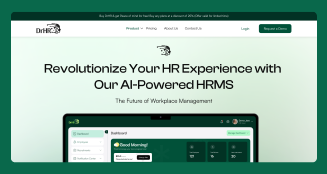
One of our most impactful projects involved developing a Custom Enterprise AI Agent that streamlined HR, legal, payroll, and customer support operations within a large-scale organization. The project demonstrated how intelligent automation can simplify complex workflows while maintaining enterprise-grade security, compliance, and scalability.
This project reflects our ability to deliver intelligent systems that support real business operations. Whether the goal is end-to-end development of an AI sales agent for 3D printing companies with automated quoting features or a broader workflow automation initiative, Biz4Group LLC helps businesses deploy secure, scalable, and practical AI solutions designed for long-term growth.
Let's discuss how a tailored AI sales agent can support faster responses, cleaner workflows, and stronger conversions
Schedule My Strategy SessionA 24/7 AI sales agent is not just about responding faster. It is about creating a more consistent way to handle inquiries, manage RFQs, engage prospects, and support sales operations without depending entirely on manual processes. As customer expectations continue to evolve, immediate engagement and structured quote handling are becoming increasingly important parts of the buying journey.
That is why AI sales agent development for 3D printing company environments is gaining attention among businesses looking to improve responsiveness, operational efficiency, and lead conversion. The goal is not to replace people. The goal is to ensure every opportunity receives timely attention and moves through the sales process more effectively.
When you are evaluating a company that can develop an AI-powered sales assistant for instant pricing and lead conversion, experience with business workflows matters as much as technical expertise. If you would like to discuss your requirements further, the team at Biz4Group LLC can help through its AI product development services. Feel free to connect with us to start the conversation.
Yes. A well-designed AI sales agent can identify requests that fall outside predefined pricing parameters and automatically route them to estimators or sales specialists. This allows your team to maintain quote accuracy while still responding instantly to customers during the initial engagement stage.
The timeline depends on the complexity of the workflow, number of integrations, and level of automation required. A basic implementation may take 3–5weeks, while a more advanced solution that includes automated quoting, file processing, CRM integrations, and approval workflows may require 6–14+ weeks.
Most projects fall between $30,000 and $200,000+. The final investment depends on factors such as quoting complexity, design file processing requirements, automation coverage, system integrations, security requirements, and scalability expectations.
Yes. The system can collect project requirements, identify buying intent, verify manufacturing needs, and gather qualification details before passing opportunities to the sales team. This helps reduce time spent on unqualified inquiries and improves overall lead management efficiency.
Customers receive immediate responses instead of waiting for business hours. The agent can guide them through RFQ submission, collect project specifications, answer common questions, and provide status updates throughout the quoting process. This creates a smoother buying experience while reducing communication delays.
Look beyond AI expertise alone. The development partner should understand RFQ workflows, sales processes, customer communication, business integrations, and manufacturing operations. Experience with automation projects, workflow design, and scalable implementation is often just as important as technical capabilities when evaluating potential vendors.

with Biz4Group today!
Our website require some cookies to function properly. Read our privacy policy to know more.